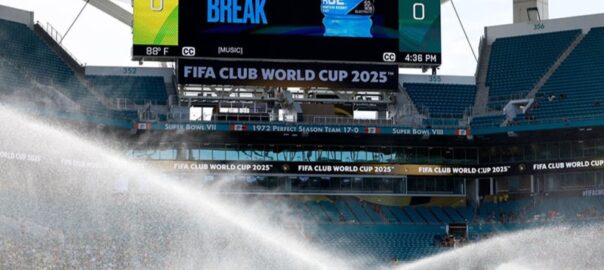
The main ticket lottery for the 2026 World Cup in North America is set to begin on Thursday. This will be the first chance for supporters to purchase tickets following the draw and the full release of the match schedule last week.
Fans can apply for tickets via FIFA’s official website from 16:00 GMT on Thursday. Each household is allowed to request up to four tickets per match, with a maximum of 40 tickets across all games.
The application period continues until 13 January 2026. There is no benefit to submitting requests early, as all matches remain open for selection throughout the period.
After the window closes, FIFA will conduct a lottery to determine successful applicants. Those selected will be notified by email in February and will be automatically charged for their tickets.
Ticket pricing and previous sale phase
FIFA has confirmed that dynamic or variable pricing will not be used during the main ballot. Prices for the tickets applied for at the start will remain the same until the end of the ballot.
Ticket costs are influenced by demand, with high-profile games expected to be more expensive. While no official price lists have been published, previous sales provide a rough guide: Category 1 tickets for group-stage matches hosted by the tournament’s countries ranged from £394 to £2,054, while the cheapest Category 4 tickets started at £45. Prices rise significantly for the knockout rounds, with final tickets reaching up to £5,915.
FIFA promotes Category 4 seating as a more accessible option. However, stadium maps indicate that such tickets are very limited, and Football Supporters Europe has expressed caution regarding their availability. The majority of seating in most venues falls under the higher-priced Category 1 and 2 sections.
Alternative ways to secure tickets
Supporters have several other routes to obtain tickets beyond the main ballot. Each nation receives an allocation of 8% of tickets for its matches. In England and Scotland, these are distributed through the England Supporters Travel Club and the Scotland Supporters Club. Members apply from 15 December to 13 January, with allocations weighted toward those with the highest loyalty points. Prices generally align with the main ballot, and resale is not permitted.
FIFA also operates an official marketplace where previously purchased tickets can be resold. Sellers set their own prices, with FIFA taking a 15% fee from both parties. Supporters are warned against using unofficial resale platforms, as tickets purchased elsewhere may be canceled without notice. On the unofficial market, tickets for England and Scotland’s group games are already listed above £450.
For those seeking guaranteed access regardless of cost, official hospitality packages are available. These often include premium seating, lounge access, and upscale dining. The top-tier Platinum Access package has undisclosed pricing and includes exclusive perks, including a private jet in promotional material.
Any remaining tickets will be released closer to the tournament on a first-come, first-served basis. Dynamic pricing is expected in this phase, but prices will be manually adjusted by FIFA rather than automatically by an algorithm.
Travel requirements for ticket holders
Purchasing a ticket does not guarantee entry into the host countries of the tournament. Fans visiting the United States need either a Visa Waiver Program authorization (ESTA) or a Visitor Visa (B1/B2), depending on nationality. UK citizens are usually eligible for an ESTA.
Travel to Canada requires a visa or an Electronic Travel Authorization (eTA), while Mexico allows visa-free entry for many nationalities, including UK visitors.
US embassies are prioritizing appointments for World Cup ticket holders, but applicants are still advised to apply as early as possible. Entry remains uncertain for citizens from countries with travel restrictions to the US, as seen recently when several Iranian delegation members were denied entry for the World Cup draw.